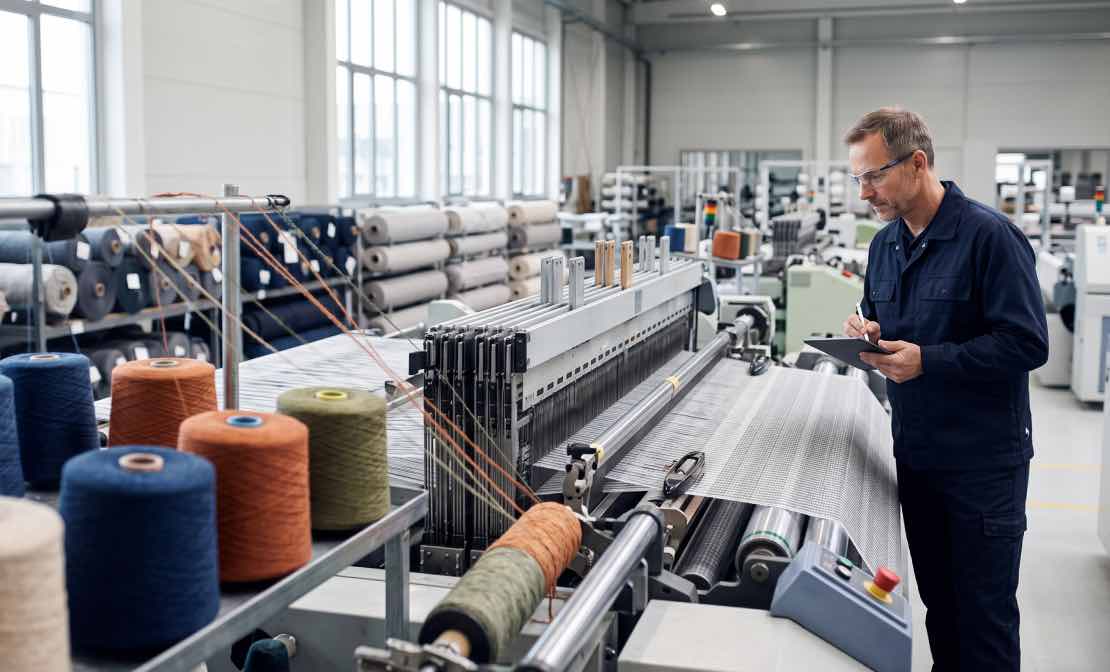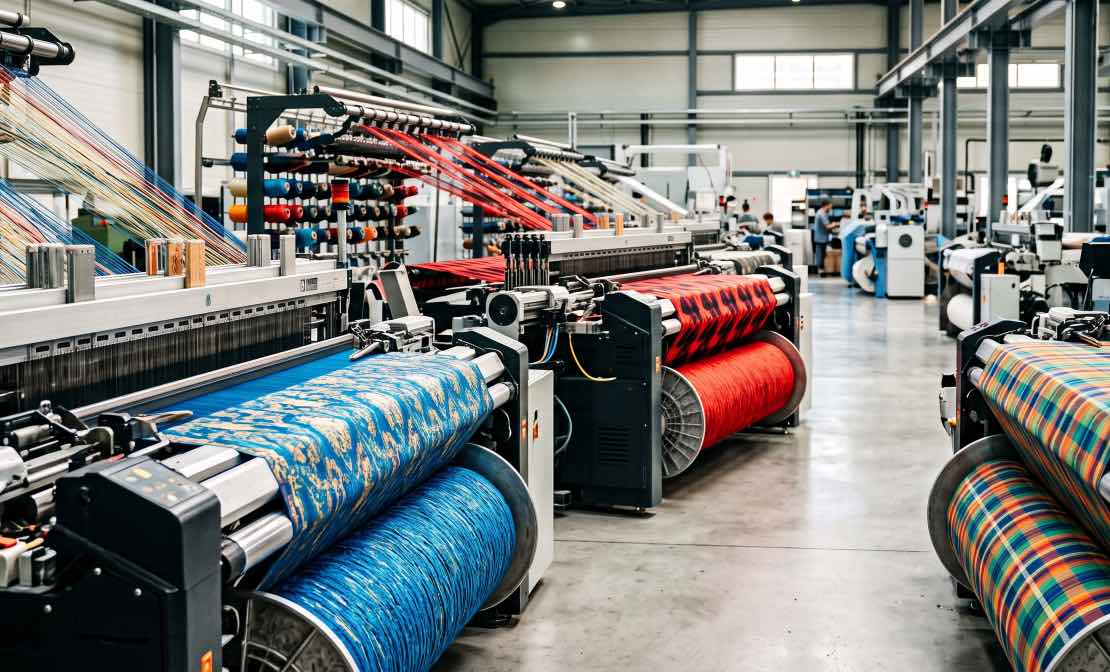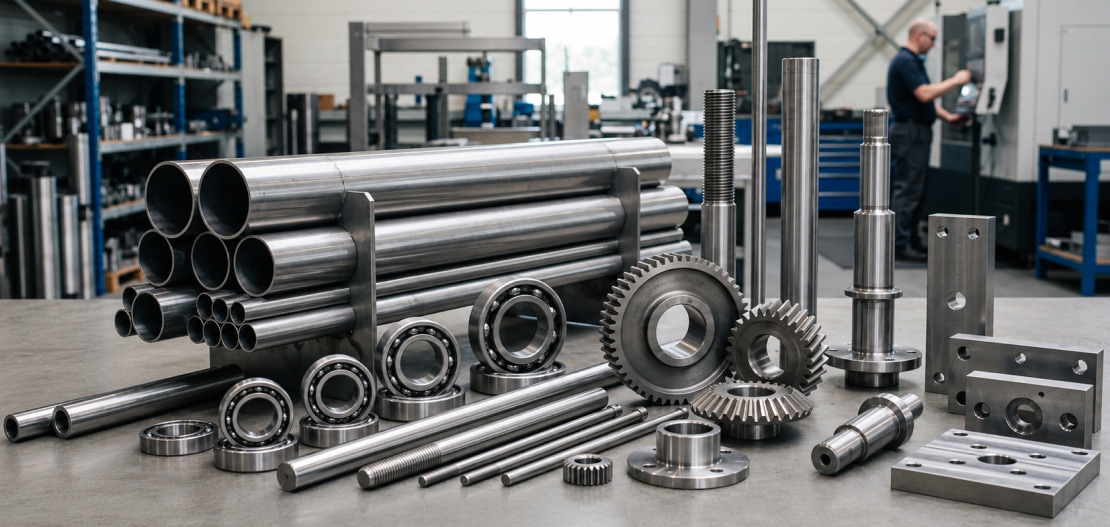

Semi-finished goods (SFGs) are at the heart of complex production processes in industries such as machinery manufacturing, food processing, and many others. By breaking down the manufacturing cycle into intermediate stages, companies can dramatically accelerate the release of finished goods (FGs), respond faster to market demands, and gain a competitive edge where production speed is critical.
Challenges of Working with Semi-Finished Goods
Working with semi-finished goods brings significant challenges:
- Estimating demand for SFGs is complex because it combines independent demand (e.g., for spare parts or components sold separately) and dependent demand derived from the production plans of final products.
-
Use of analogs (substitutes) for production among semi-finished goods in order to speed up production when primary items are unavailable.
-
In the production industry, semi-finished goods shelf life also matters: you need to produce and sell products before the expiration dates of SFGs are violated, to avoid waste and quality issues.
These examples show that businesses that use semi-finished products vitally need an intelligent and powerful ERP system to help optimize production processes, helping them properly plan, produce, store, and use semi-finished products in a timely manner, thereby accelerating the production of final products and optimizing production costs.
Why Semi-Finished Goods Matter in Modern Production
Using SFGs allows manufacturers to:
-
Parallelize production stages instead of waiting for the entire process to complete sequentially.
-
Build inventory buffers for critical intermediates, enabling quicker assembly of finished goods.
-
Reuse the same semi-finished component across multiple final products, improving flexibility and economies of scale.
-
Outsource certain stages to subcontractors without losing control over the overall process.
The key difficulties lie in accurate demand planning, inventory management across multiple stages, cost allocation, and maintaining traceability to ensure quality and compliance.
How 1C:ERP Manages Semi-Finished Goods Effectively
1C:ERP integrates semi-finished goods seamlessly into its powerful Manufacturing subsystem, treating them as full-fledged inventory items that can be produced, stored, transferred between workshops, and consumed in subsequent stages. The system supports multi-stage, nested production routes typical of complex manufacturing.
1. Multi-Stage Production Routes and Resource Specifications
1C:ERP uses detailed Bills of Materials (BoMs) to define the entire production structure. These specifications specify:
-
Which materials, labor, and work centers are required at each stage;
-
Intermediate products, including semi-finished goods;
-
Output of finished goods, side products, recyclable waste, and SFGs.
BoMs support parametric settings and formula-based calculations for quantities, making them highly flexible for products with variations or deviations. Production stages are clearly documented, allowing SFGs to be produced in one workshop or stage and then transferred for use in the next. This nested approach ensures smooth flow in complex, multi-level manufacturing.
2. Production Planning with Dual Demand Consideration
The system handles sophisticated demand planning by synchronizing:
-
Independent forecasts for SFGs (e.g., as spare parts);
-
Dependent demand calculated automatically from finished goods production plans.
Production plans operate at enterprise, intershop, and intrashop levels. 1C:ERP allows optimizing the production processes so that all the SFGs are produced and delivered from subcontractors just in time. Production orders generate lots for SFGs, and the scheduling engine builds a feasible production graph, taking into account capacities, priorities, and resource availability. This helps avoid bottlenecks and supports production of SFGs in advance or "just-in-time" as needed.
3. Inventory Tracking and Warehouse Management
SFGs are fully tracked as inventory items with batch accounting. The system supports:
-
Warehouse storage of semi-finished goods between stages;
-
Shop floor stockrooms for materials and intermediates in progress;
-
Movement documents for transfers between units.
Batch traceability reports show the full history: which material batches went into which SFG, and how those SFGs were used in final products. This level of visibility is essential for quality control and compliance.
4. Accurate Cost Calculation
1C:ERP calculates the cost of each semi-finished good based on consumed materials, labor, and overheads at its production stage. This cost then rolls up as part of the final product's cost structure. You can analyze SFG costs both as standalone items and as components of finished goods, providing clear insights for cost optimization and pricing decisions.
5. Flexibility in Production Approaches
1C:ERP supports various scenarios for semi-finished goods:
-
Production of a single SFG type used across different finished products;
-
Advance (make-to-stock) production of SFGs to create buffers;
-
Subcontracting – outsourcing the production of certain semi-finished items while maintaining full integration and traceability in the system;
-
Use of analogs/substitutes – 1C:ERP allows to specify SFGs analogs to use, with automatic replacement options when primary resources are unavailable;
-
Independent release of SFGs or release directly within the stages of a larger production order.
These capabilities allow manufacturers to adapt quickly to supply disruptions or changing priorities.
6. Traceability and Execution Control
Full batch and serial number tracking ensures complete traceability throughout the production cycle. The Manufacturing Execution System (MES) tools help dispatchers monitor progress in real time, respond to deviations, and optimize resource loading at work centers.
Benefits for Businesses Using 1C:ERP
By effectively managing semi-finished goods, 1C:ERP helps companies:
-
Accelerate the overall production cycle and improve on-time delivery;
-
Reduce excess inventory and waste (especially important when shelf life is a factor);
-
Optimize costs through precise planning and detailed cost analysis;
-
Increase production flexibility without sacrificing control or visibility;
-
Scale complex, multi-stage operations efficiently.
The key benefit is Lead Time Reduction. Reducing the time from order receipt to fulfillment is one of the key performance indicators for manufacturing. This can be achieved through improved planning, increased flexibility in production processes, and optimized logistics. The faster a company fulfills orders, the more competitive it is in the market.
In industries where speed and precision determine competitiveness – from heavy machinery to food production – these features provide a significant advantage.
Conclusion
Semi-finished goods are not just intermediates; they are strategic assets in modern manufacturing. 1C:ERP transforms this challenge into a strength by offering integrated, intelligent tools for planning, production, costing, and control across all stages.
For enterprises dealing with complex production processes, implementing 1C:ERP means gaining a reliable digital backbone that synchronizes demand, optimizes resources, and accelerates the path from raw materials to finished products ready for the market.