
For textile manufacturers, creating a production plan is only the beginning. The real challenge starts when reality no longer follows it.
A machine breaks down. Maintenance takes longer than expected. Raw materials arrive late. A customer changes an order or production priorities shift. Suddenly, a carefully prepared schedule no longer reflects what is happening on the factory floor.
These changes have a direct financial impact. An outdated plan can result in excess inventory, urgent material purchases, idle equipment, overtime and delayed orders. Ultimately, these disruptions can gradually erode the margin of an order that initially looked profitable.
This is why modern production management should focus not only on creating an optimal plan, but also on minimizing the cost of change.
From Planning to ReplanningTraditional production planning answers: What should we produce, when and with which resources?
Modern manufacturing requires another question: What should we do when circumstances change?
An ERP system can help answer it when production planning is connected with customer orders, inventory, material requirements, procurement and available production capacity.
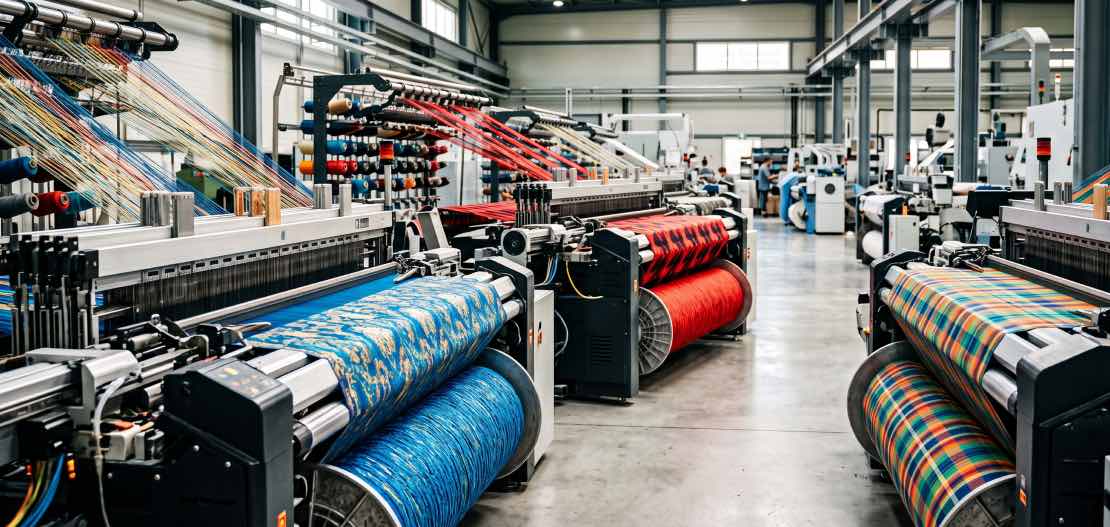
Turkish textile manufacturer SML Seamless provides a practical example. The company manages the complete manufacturing process from yarn to packaged products and operates production lines across several cities in Türkiye.
Together with DND Yazılım, SML implemented 1C:Drive to integrate production planning, raw material inventory management, accounting and financial reporting.
The system connects customer demand directly with production. Based on colors and sizes in sales orders, production recipes and material requirements can be calculated, helping determine what needs to be purchased before production starts.
1C also supports dynamic planning of SML's knitting machines. Projected completion dates can be recalculated according to real operating conditions, including machine breakdowns, maintenance, production holds, equipment replacements, working days and holidays.
Instead of assuming that the original schedule will remain valid, the production plan can adapt as factory conditions change.
For textile manufacturers, this flexibility has a clear business value: better resource utilization, lower inventory risk, fewer emergency purchases and greater control over production costs.
The best production plan is not necessarily the one that looks perfect at the beginning. It is the one that can change without losing control of costs, capacity and delivery commitments. This is exactly where a flexible ERP system can make the greatest impact.
1C:Drive ERP supports production planning, inventory management, procurement, costing and other core manufacturing processes in a single system. It helps manufacturers connect production plans with actual business conditions and adjust operations as circumstances change.
For textile manufacturers looking to improve production visibility and flexibility, 1C:Drive provides a practical ERP foundation for managing both the plan — and the inevitable changes to it.